
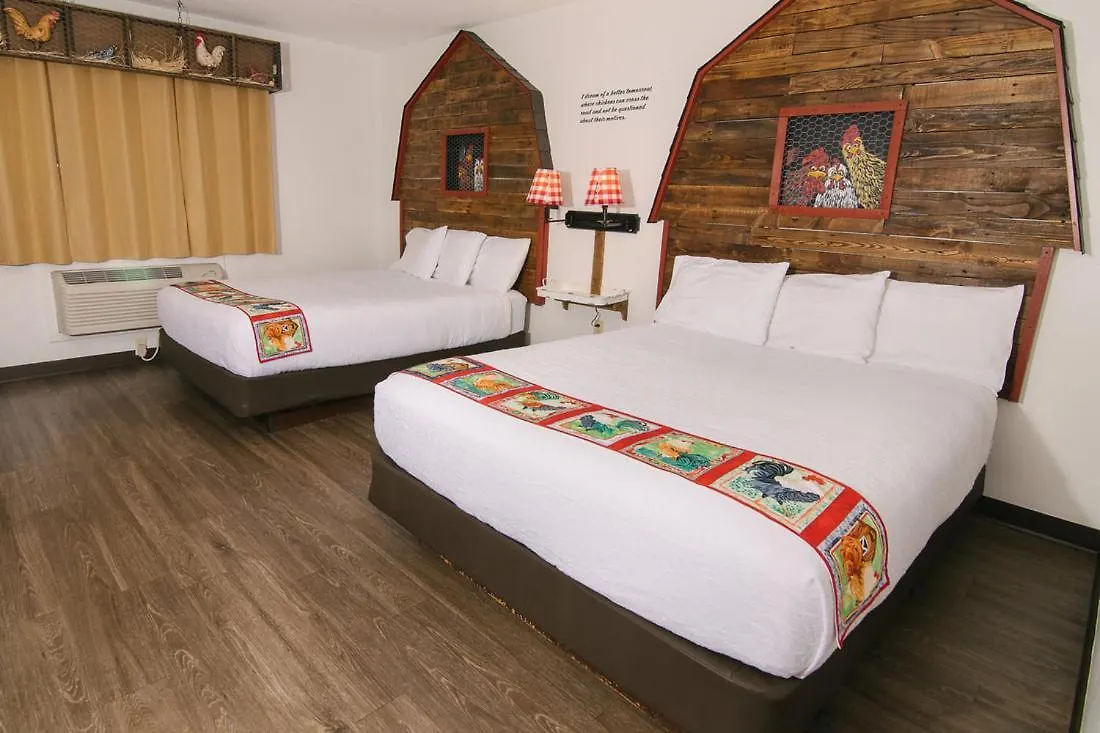
Minnesota rewards travelers who pick their base carefully. From the iron-rich towns of the Mesabi Range to beachfront lodges on Lake Superior and lakeside resorts in the Northwoods, where you stay shapes everything from your morning drive to your access to trails, water, and local life. These 8 hotels stand out specifically for their location ratings - placed close to the natural landmarks, state parks, and activity corridors that draw visitors to Minnesota in the first place.
What It's Like Staying in Minnesota
Minnesota is not a single-city destination - it's a state-wide network of distinct environments, from the boreal forests and lake chains of the Northwoods to the prairie wetlands of the southwest. Most attractions are spread across rural corridors, which means your hotel's location directly determines whether you spend your days exploring or commuting. Public transport between towns is minimal, so nearly all travelers rely on a car, making proximity to trailheads, lakefronts, and scenic byways genuinely important.
Summer draws the highest visitor volume to lake resorts and state parks, while winter pulls snowmobilers and skiers to the northeastern highlands around Lutsen and Ely. Travelers without a vehicle will find the experience significantly more limited outside of the Twin Cities metro area.
Pros:
- Exceptional variety of natural settings within a single state - lakes, forests, prairie, and Lake Superior shoreline
- Hotels near key recreation zones offer direct access to hiking, fishing, skiing, and canoeing without extra travel
- Small-town lodging is generally less crowded and more affordable than metro Minnesota properties
Cons:
- Almost all destinations require a car - no meaningful rail or bus links between rural towns
- Popular lake resorts book up weeks in advance during July and August
- Shoulder-season visitors (October-April outside ski areas) may find limited local services and shorter operating hours
Why Choose Hotels Rated Highly for Location in Minnesota
In a state where the drive between your hotel and the trailhead or shoreline can easily add an hour to your day, location-rated properties solve a real problem. Hotels that score highly on location in Minnesota are typically sitting directly on a lake, within walking distance of a state park entrance, or positioned on a main corridor between multiple natural attractions. These properties tend to command a modest premium - often around 20% more than comparable properties a few miles inland - but they eliminate the need for daily long drives and make spontaneous activity changes practical.
Room sizes at well-located Minnesota properties vary widely: lakefront resorts often offer full kitchen suites or cabins suited for 3-5 nights, while well-placed town inns lean toward standard rooms with fewer self-catering options. Noise from outdoor recreation activity (boat launches, snowmobile trails, ATV routes) can be a factor at the most activity-adjacent properties, especially on summer weekends.
Pros:
- Direct or near-direct access to the outdoor activity the trip is built around - fishing, skiing, canoeing, hiking
- Reduces daily driving in regions where the nearest alternative accommodation is 30+ minutes away
- Higher-rated location properties typically align with scenic or landmark zones, improving the overall trip experience
Cons:
- Beachfront and lakefront properties sell out fastest in summer - late bookers face steep rate increases or unavailability
- Some well-located rural properties have limited on-site dining, requiring meal planning or grocery stops
- Properties in prime winter activity zones can feel isolated during non-peak seasons with fewer local services operating
Practical Booking & Area Strategy for Minnesota
Minnesota's most strategically valuable hotel locations cluster around three distinct corridors: the Lake Superior North Shore between Duluth and Grand Marais (Lutsen sits mid-route), the Northwoods lake country centered around Ely and Moose Lake, and the Iron Range towns like Mountain Iron and Grand Rapids that serve both industrial history tourism and outdoor recreation. Cold Spring and Big Lake occupy a useful middle corridor between the Twin Cities and St. Cloud, making them practical for travelers combining a city stay with a rural detour. For Iron Range and Boundary Waters access, Chisholm-Hibbing Airport is the most practical regional hub, with several of these hotels within 30-60 km. Book properties in Lutsen, Ely, and Moose Lake at least 6 weeks ahead for July and August weekends - these fill faster than any other rural Minnesota category.
Best Value Stays
These properties offer strong location positioning - near lakes, state parks, or key activity corridors - at accessible price points, making them the practical choice for budget-conscious travelers who still want proximity to Minnesota's main draws.
-
1. Riverside Inn
Show on map


 Check-infrom 15:00 until 23:59Check-outuntil 11:00
Just a few rooms left at the best rate!
fromUS$ 88
-
2. Adventure Inn
Show on map


 Check-infrom 15:00 until 20:00Check-outfrom 09:00 until 10:00
Just a few rooms left at the best rate!
fromUS$ 158
-
3. Park Inn By Radisson Ortonville
Show on map


 Check-infrom 15:00 until 23:59Check-outuntil 11:00
Just a few rooms left at the best rate!
fromUS$ 95
-
4. Americas Best Value Inn Big Lake Becker
Show on map


 Check-infrom 15:00 until 23:59Check-outuntil 11:00
Hurry – almost gone at this price!
fromUS$ 83
Best Premium Stays
These properties deliver a stronger location advantage - beachfront access, lakeside settings, or positioning within a major activity zone - and include facilities that justify a higher nightly rate for travelers prioritizing experience over economy.
-
5. Hanging Horn Lakeside Resort
Show on map


 Check-infrom 15:00 until 23:59Check-outuntil 11:00
Hurry – almost gone at this price!
fromUS$ 248
-
6. Comfort Inn & Suites Mountain Iron And Virginia
Show on map


 Check-infrom 15:00 until 23:59Check-outuntil 11:00
Hurry – almost gone at this price!
fromUS$ 263
-
7. I M Hotel By Timberlake
Show on map


 Check-infrom 15:00 until 23:59Check-outuntil 11:00
Rooms filling fast – secure the best rate!
fromUS$ 81
-
4. Lutsen Sea Villas
Show on map


 Check-infrom 16:30 until 23:59Check-outuntil 11:00
Rooms filling fast – secure the best rate!
fromUS$ 338
Smart Travel & Timing Advice for Minnesota
Minnesota's tourism rhythm is sharply seasonal, and timing your stay directly affects both availability and price. July and August are peak months across all lake and resort destinations - expect the highest rates and the lowest availability at beachfront and lakeside properties like Hanging Horn and Lutsen Sea Villas. Book these at least 8 weeks ahead for summer weekends. September is genuinely underrated: fall color along the North Shore typically peaks in early October, crowds thin noticeably, and rates drop by around 25% compared to peak summer. Winter (December-March) is ideal for Lutsen and the Iron Range if skiing or snowmobiling is the goal, but properties in Ely and Moose Lake may offer reduced services. A 3-night minimum makes sense for Boundary Waters-adjacent properties like Adventure Inn in Ely, since most canoe trips require at least 2 full days in the wilderness plus travel time. For central Minnesota corridor stops (Cold Spring, Big Lake), 1-2 nights is sufficient as part of a longer road trip itinerary.


